24 results found with an empty search
- Uncovering the Origins of Fossils at Fossil Butte Wyoming
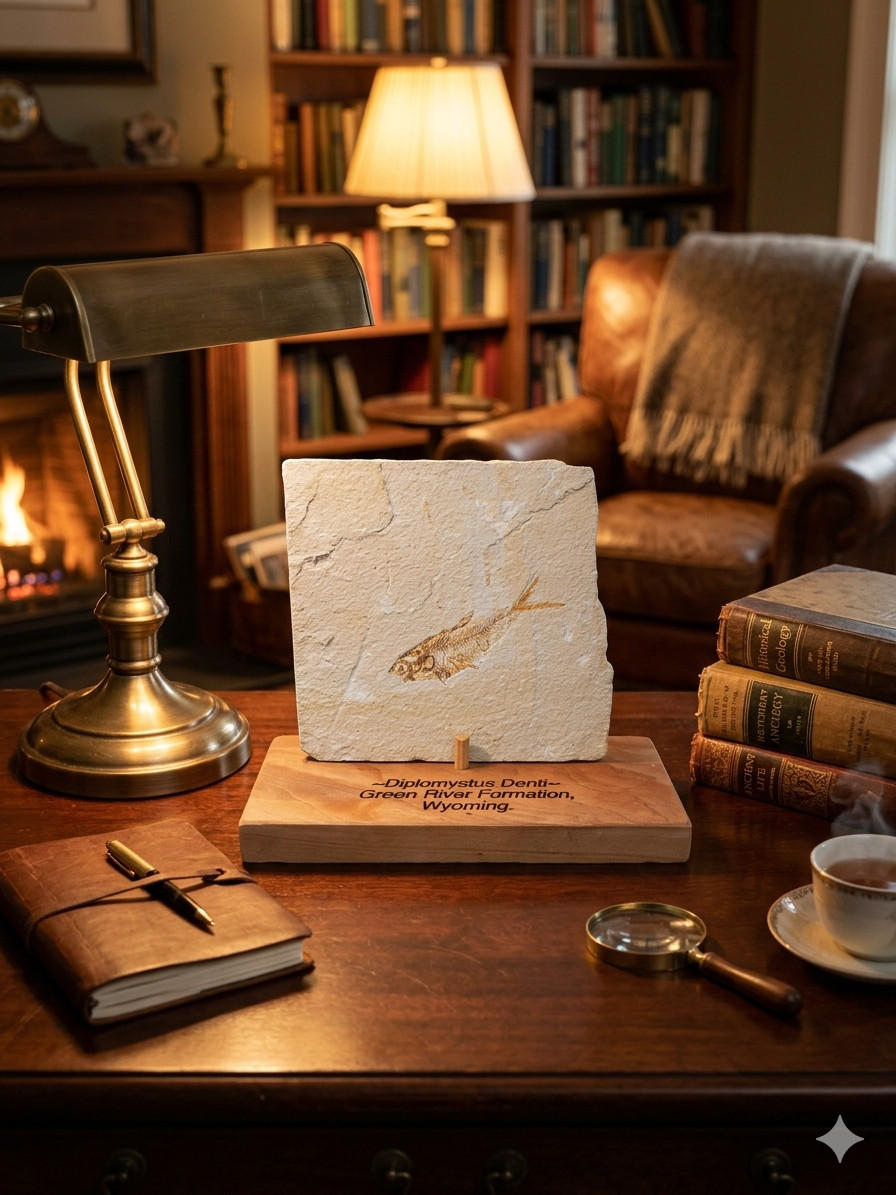
Fossil Butte in Wyoming is one of the richest fossil sites in North America, offering a window into life from around 50 million years ago. The fossils found here reveal a detailed story of an ancient ecosystem that once thrived in a subtropical lake environment. Understanding the origin of these fossils helps us appreciate the natural history preserved in this remarkable location. Early Horse fossilized while attempting to swim The Ancient Lake Environment The fossils at Fossil Butte come from the Green River Formation, a sedimentary deposit formed during the Eocene Epoch. Around 50 million years ago, this area was covered by a large, deep lake surrounded by lush forests and wetlands. The lake’s calm waters and fine sediments created ideal conditions for preserving plants, fish, insects, and other animals. When organisms died, they sank to the lake bottom where they were quickly buried by layers of mud and silt. This rapid burial prevented decay and scavenging, allowing delicate structures like fish fins and insect wings to fossilize in great detail. Over millions of years, these sediments hardened into rock, preserving the fossils we find today. Types of Fossils Found at Fossil Butte Fossil Butte is famous for its exceptionally well-preserved fossils, including: Fish: More than 250 species of fish have been identified, including paddlefish, gars, and trout-like species. Their detailed preservation shows scales, bones, and even soft tissues. Plants: Fossilized leaves, seeds, and wood reveal the types of vegetation that grew around the lake. These fossils help reconstruct the ancient climate and environment. Reptiles and Birds: Fossils of turtles, crocodiles, and early birds provide insight into the diversity of life during the Eocene. Insects and Other Invertebrates: Delicate fossils of insects and crustaceans add to the picture of the lake’s ecosystem. Each fossil tells a part of the story of how life adapted to this ancient lake system. How Fossils Formed at Fossil Butte The key to the fossil origins at Fossil Butte lies in the lake’s unique conditions: Anoxic Bottom Waters: The lake’s deeper layers lacked oxygen, which slowed decay and prevented scavengers from disturbing the remains. Fine Sediment Deposition: The lake deposited very fine-grained sediments that captured even the smallest details of organisms. Stable Environment: The lake remained relatively stable for thousands of years, allowing continuous fossil accumulation. These factors combined to create a natural preservation system that fossilized a wide range of species with remarkable clarity. Why Fossil Butte Is Important Today Studying the fossils from Fossil Butte helps scientists understand how ecosystems respond to climate change over long periods. The Eocene was a time of global warming, and the fossils show how plants and animals adapted to warmer, wetter conditions. This knowledge informs current research on climate and biodiversity. For visitors, Fossil Butte offers a chance to see real fossils and learn about Earth’s history firsthand. The site’s fossils are a treasure trove for paleontologists and enthusiasts alike.
- Arizona's Petrified Forest
Took a road trip a few years ago and ended up going through the Petrified Forest in Arizona. What a place! Never saw any pictures of it before, and had a preconceived notion that there would be upright fossilized trees. Wrong about that, they're all flat but that didn't matter as the famed Arizona Rainbow Petrified Wood was abundant. . The Significance of Arizona's Petrified Wood Arizona's petrified wood is not just visually stunning; it also provides critical scientific insights. These fossilized remnants reveal information about the types of vegetation that existed millions of years ago. Studies indicate that during the Triassic period, some tree species like Araucarioxylon thrived in warm, swampy environments. Paleobotanists examine these specimens to understand climate changes and ecological shifts over. To a curator of mineral specimens like myself, its a great material as it is hard, and polishes well. Go visit this park if you have the chance, it's well worth it. So is the Painted Desert, and the Meteor Crater National Monument nearer to Sedona. P.S. Don't Forget you can be "Standing on the Corner in Windslow Arizona" on the way to the Meteor Crater.
- The Fossil Find that changed everything!
No, we're not talking about Dinosaurs, or even the missing link for humans. We're talking about the Burgess Shale Fauna. Accidentally discovered in 1909, it remains the worlds most significant fossil discovery. Many of the fossils found at the fossil site appear to be early ancestors of higher lifeforms called cordates, a major group of animals that include human beings. Prior to the find, scientists thought life in the Cambrian Sea (around 500 mya) consisted of a few Trilobites and Snails. Boy, were they wrong!! Watch the short video below. With the fossils that were found, it was concluded that there was a "Cambrian Explosion of Life", with many of the Burgess Shale Fauna creatures probably being some of the first creatures to combine genetic traits to pass on. The pictures below are trace fossils of two of the fauna. With these creatures, life in the sea exploded with a great diversity of animals, and probably gave rise to all "cordates" or creatures with backbones! Well, they say most great scientific discoveries are found by accident, and this was no exception. In 1909, a scientist was riding on a trail in the Canadian Rockies, and happened to look at a stone by the side of the trail, and saw something shiny. It was a fossil of one of the Burgess Creatures, and the rest, as they say, is history.
- Unveiling the Mysteries Behind the Formation of Geodes
Geodes are nature's hidden gems, often cloaked in ordinary rock shells. Inside, they reveal a breathtaking display of crystals. These geological wonders are found in many places around the world. But how are they formed? Let’s explore the captivating process behind these exquisite formations. What Are Geodes? Geodes are hollow, spherical rocks typically found in volcanic or sedimentary settings. They start as cavities or bubbles, usually formed by gases or steam escaping during volcanic eruptions. Over time, mineral-rich water infiltrates these cavities, leading to the growth of stunning crystals. Common minerals found in geodes include quartz, calcite, and amethyst. Each mineral adds its unique charm to these natural treasures. For example, amethyst geodes can have crystal clusters that range from a light lavender to deep purple, attracting not only collectors but also those interested in their supposed calming properties. In contrast, calcite geodes can sometimes resemble crystal gardens, with formations that remind us of delicate winter icicles. A close-up view of a geode showcasing its stunning amethyst crystals. Types of Geodes Geodes come in various types, each showcasing its distinct beauty. Here are a few notable varieties: Amethyst Geodes : Famous for their beautiful purple crystals, amethyst geodes are especially popular for their aesthetic appeal and believed healing properties. Data suggests that demand for amethyst has increased by 15% over the last five years. Calcite Geodes : These often contain clear or white crystals and may showcase fascinating formations like stalactites. Some calcite geodes are known for their meticulous patterns, captivating observers. Agate Geodes : Recognized for their banded appearance, agate geodes can exhibit a vibrant array of colors, making them a favorite among rock collectors. Various color banding patterns can emerge, adding to their allure. Each type of geode not only sparks visual interest but also serves as a reminder of the complex geological processes that create them. Where to Find Geodes Many regions around the globe are renowned for their geode deposits. In the United States, states like Arizona, Iowa, and California are hotspots for geode hunting. For example, the geodes of Keokuk, Iowa, are known for their stunning quartz and calcite crystals, making it a must-visit for geology enthusiasts. Beyond the U.S., Brazil and Uruguay are significant sources of geodes. In fact, some of the largest amethyst geodes, measuring over five feet in height, have been unearthed in the caves of Uruguay. For anyone intrigued by the idea of finding their own geodes, many locations offer guided tours where you can dig for these treasures. The thrill of uncovering your own geode is a remarkable experience, allowing you to connect with the natural world.
- Experience the Magic of Christmas in Iceland: Traditions and Celebrations
Christmas in Iceland offers a captivating experience, blending stunning landscapes with rich folklore and vibrant traditions. The holiday season in this Nordic island nation is truly special. From the twinkling lights of Reykjavik to the warmth of family gatherings, Iceland creates a magical atmosphere for celebrating Christmas. The Yule Lads: Iceland's Unique Santa Clauses One of the most charming parts of Christmas in Iceland is the legend of the Yule Lads. These 13 playful figures, descending from the mountains during the 13 nights leading up to Christmas, each have their own quirky characteristics. For instance, Stekkjastaur likes to steal milk from farmers, while Íslendingur enjoys stealing lamb. Every night, children place their shoes by the window and receive gifts or potatoes, depending on their behavior. In 2022, surveys showed that over 80% of Icelandic children still embrace this tradition, enjoying the daily surprises. Traditional Icelandic Christmas Foods Food plays an essential role in Icelandic Christmas celebrations. Traditional dishes like hangikjöt (smoked lamb), laufabrauð (leaf bread), and jólakaka (Christmas cake) feature prominently. Families gather to cook these festive meals, fostering a sense of community. For example, the preparation of laufabrauð involves intricate designs cut into the dough, showcasing family skills passed through generations. The mouthwatering aroma of prepared dishes fills homes, making the holiday experience memorable for all. A festive Icelandic Christmas table set with traditional dishes The Winter Solstice and the Festival of Lights Christmas in Iceland coincides with the Winter Solstice, marking the year’s shortest days. To celebrate, many towns host the Festival of Lights. For instance, Reykjavik transforms into a dazzling winter wonderland, with over 50,000 colorful lights illuminating the streets and parks. Visitors often report feeling enchanted by the sights, as light displays create a warm, inviting atmosphere during the long winter nights. Christmas Markets and Local Crafts Icelandic towns come alive with Christmas markets during the holiday season. These markets showcase local artisans and their crafts, where visitors can find unique handmade gifts. For example, woolen sweaters, known as lopapeysa , are highly sought after, appreciated for their warmth and distinctive patterns. These markets not only support local businesses but also offer visitors an authentic taste of Icelandic culture. According to estimates, local crafts at these markets attract more than 20,000 visitors each year, contributing significantly to the local economy. Family Gatherings and Celebrations Christmas in Iceland is a heartwarming time for family and friends to unite. Many Icelanders attend church services on Christmas Eve, promptly followed by a festive dinner that typically includes singing and storytelling. One cherished tradition includes reciting family tales that reflect Icelandic folklore. The evening culminates in gift exchanges, spreading joy and excitement among both young and old. This tradition fosters deep connections and memorable moments that families cherish for years. Embrace the Enchantment of Christmas in Iceland Experiencing Christmas in Iceland is a magical adventure filled with rich traditions, delicious foods, and festive celebrations. From the whimsical Yule Lads to the warm family gatherings and vibrant markets, the holiday season here is a tapestry of joy. Whether exploring the stunning markets or sharing a cozy dinner, Iceland provides a unique way to celebrate Christmas. If you seek a holiday experience that combines tradition, culture, and breathtaking scenery, Iceland should definitely be on your travel list.
- Understanding the Simple Differences Between Rocks and Minerals
What Are Minerals? Minerals are the building blocks of rocks. Each mineral has its own unique properties, such as hardness, color, and luster. For instance, quartz is a common mineral known for its hardness. In contrast, talc is soft and can be easily scratched. Minerals are classified into various groups based on their chemical composition. The most common groups include silicates (like quartz and feldspar), carbonates (such as calcite), and oxides (like hematite). Silicates alone account for over 90% of the Earth's crust, highlighting their significance. A shiny quartz crystal showcasing its natural beauty What Are Rocks? Conversely, rocks are solid aggregates composed of one or more minerals. They form through various geological processes, such as: Igneous rocks : These rocks, like granite and basalt, form from cooled magma or lava. For instance, granite often contains quartz, feldspar, and mica, showcasing a mix of minerals. Sedimentary rocks : Created from the accumulation of sediments, examples include sandstone made up of grains of sand and limestone, which primarily consists of calcite. Metamorphic rocks : These arise from the transformation of existing rocks under heat and pressure. Common examples are schist, rich in mica, and marble, which originates from limestone. Why It Matters Understanding the differences between rocks and minerals holds practical implications beyond academic knowledge. For instance, identifying minerals within a rock can reveal its origin and potential uses. This information is vital in fields such as mining, where specific minerals like gold or copper have significant economic value. In the construction industry, knowing the properties of different rocks can influence material choice for buildings and roads. Moreover, recognizing different minerals and rocks enhances your experience when exploring the outdoors. Whether you are hiking in the mountains or strolling along a beach, identifying common geological formations—like the sedimentary layers of the Grand Canyon or the basalt columns of Giant's Causeway—can deepen your connection with nature. A rocky landscape displaying various mineral formations in natural light. Final Thoughts In conclusion, while rocks and minerals may appear similar at first glance, they are fundamentally different in composition and formation. Minerals are the pure, crystalline substances that make up rocks, which are aggregates of these minerals. By understanding these differences, you can enrich your knowledge of geology and develop a greater appreciation for the natural world. The next time you encounter a rock or a mineral, you will be equipped to distinguish between the two and marvel at their unique properties.
- Why a Mineral Makes the Perfect Unique Christmas Gift
The holiday season is a time for joy and giving, but finding that special gift can often feel overwhelming. While clothing and tech gadgets are common go-tos, why not surprise your loved ones with something truly unique? A mineral can be an extraordinary gift that stands out in a world flooded with traditional options. Here’s why choosing a mineral makes the perfect unique Christmas gift! Uniqueness Every mineral is truly one-of-a-kind, just like the person receiving it. No two pieces are identical, which adds a thoughtful touch to your present. For instance, a stunning amethyst might showcase deep purple hues that differ from another, while a vibrant piece of turquoise can vary in its intricate patterns. According to the American Geosciences Institute, there are over 4,000 different mineral species on Earth. This vast array means you can find a mineral that perfectly matches someone’s personality or style, emphasizing how much you care about your gift choice. A deep purple agate slab Eye-Pleasing Aesthetics Minerals possess natural beauty, coming in an array of colors, shapes, and sizes. They can serve as captivating decorative pieces that elevate any space. Picture a shimmering quartz placed on a shelf or an eye-catching geode adorning a coffee table. The visual appeal of advancements in mineral displays can bring charm to any home. Quartz, for example, is available in around 200 different varieties, providing more than just a gift; it becomes a stunning piece of art that can spark engaging conversations. Educational Value Gifting a mineral can also be an enriching experience. Many people are captivated by geology and the wonders of nature. By giving a mineral, you’re not just providing a gift; you’re opening up avenues for learning about its origins, properties, and uses. For example, kids may enjoy learning how minerals form and the role they play in our everyday lives, from electronics to jewelry. This educational aspect transforms the gift into something that keeps giving long after the holidays are over. Versatility Minerals can fit seamlessly into various gifting categories. Whether it’s for a birthday, holiday, or a token of appreciation, minerals cater to diverse occasions. They can stand alone as singular gifts or be incorporated into a larger gift basket filled with nature-themed items. For instance, pairing a beautiful amethyst with a book on geology can create a thoughtful and personalized present. Their adaptability makes them a fantastic choice for nature enthusiasts and home decor aficionados alike. Connection to Nature In a technology-driven world, a mineral gift can serve as a refreshing reminder of the earth's natural beauty. Each piece embodies a story of millions of years in formation, inspiring a sense of wonder about our planet. For someone who loves the outdoors or has a deep appreciation for nature, a mineral can resonate profoundly. Studies show that interacting with natural elements can reduce stress levels by up to 60%, making a mineral not only a gift but also a source of comfort and serenity. Affordable Options Minerals are available in a wide range of prices, making them accessible for any budget. You can find small, lovely pieces for under $20 or invest in more intricate specimens costing several hundred dollars. This affordability allows you to choose a meaningful gift that reflects your budget while still being unique and thoughtful. For instance, a polished stone might cost as little as $10, while a larger specimen can still be a beautiful centerpiece for under $50. A Gift of Lasting Impact This Christmas, consider stepping outside the usual gift-giving conventions to explore the world of minerals. With their uniqueness, captivating aesthetics, educational value, versatility, connection to nature, and affordability, minerals represent an ideal unique gift. Not only will your present shine with beauty, but it also carries a piece of the earth’s history and charm, making it a gift to treasure for years to come. So, why not add a touch of natural elegance to your holiday season with a mineral gift that expresses your love and thoughtfulness?
- "Nature’s Palette: Why Rocks Have So Many Colors"
Have you ever picked up a rock and wondered why it's red, green, or even purple? The colors in rocks come from the minerals inside them. Just like mixing paint, different minerals add different colors. For example, iron often makes rocks red, orange, or yellow—just like rust on old metal. Copper can turn rocks green or blue. Black rocks may have a lot of carbon or magnetite, while white ones might be full of quartz. Some rocks even change color over time because of water, air, or heat. That’s why you might see a shiny gray rock turn brown if it sits outside too long. Every color tells a story about where the rock came from and what it’s been through. Next time you're out walking, take a closer look—you might be holding a piece of Earth’s art in your hand. Want more rock stories? Stay tuned!
- Strange Days Indeed
Do you get stressed out about life sometimes---mortgages, jobs, children? Bet you thinks I'm going to tell you to get a mineral or rock with healing powers. Well I'm not! To say these are " Strange Days Indeed " is a real understatement. The world seems to have no direction as a whole, and that can be very disturbing. The Earth will exist for a few billion more years before the Sun becomes a Red Giant and swallows it up, so Earth will be there for your life time, and for those you love. But what will things look like in 10 years? 20 years? Do what you can to exist and try to make change, but I suggest the following. Get some " me " time..carve out a few minutes a day for yourself. Just viewing nature from a window is great and relaxing. Take a short walk just to observe whats going on with birds, animals, trees. Find a hobby you like. Do you read? Play an instrument? Find something you actually enjoy doing! Don't let stress consume you, life is too short!
- Gold Rush Days-Virginia City, Mt.
As the story goes, in the spring of 1863, a group of prospectors were on their way to the Yellowstone River but were detained by Crow Indians. After being released, they returned via a different route and camped near what is now Virginia City, Mt. While camped in Alder Gulch, they decided to do a bit of panning—and struck gold almost immediately. Recognizing the richness of the find, they tried to keep it secret. But word quickly spread, and within weeks, thousands of miners flooded the area. By late 1863, a boomtown sprang up named Virginia City, and it soon became the territorial capital and a major hub in Montana’s early history. The gold strike at Alder Gulch was one of the richest placer gold discoveries in U.S. history, yielding an estimated $30 million (in 1860s dollars) in just a few years. It make's one think that Gold has a metaphysical quality, which is the ability to drive people crazy to get it!!
- The Healing Power of Amythyst
A quarter is shown at the base for scale. Amethyst is widely cherished for its soothing energy and profound spiritual significance. Often referred to as the "stone of tranquility," it is believed to calm the mind, ease anxiety, and help release negative thoughts. In spiritual practice, amethyst is said to open the third eye a. nd crown chakras, enhancing intuition and deepening meditation. Many use it during mindfulness rituals to promote clarity and connect with higher realms of consciousness. Amethyst’s healing energy is thought to assist with emotional balance, making it a popular choice for those navigating grief, heartache, or emotional turmoil. For example, keeping an amethyst crystal under your pillow is believed to encourage restful sleep and ward off nightmares, while carrying a small piece in your pocket may offer grounding support in stressful situations. This violet gemstone has also been linked to sobriety and clarity—ancient Greeks believed it protected against intoxication. Today, it's often used as a symbol of inner strength and spiritual protection. Whether worn as jewelry, placed in a sacred space, or simply held during quiet reflection, amethyst invites a gentle sense of peace and deeper awareness of one’s spiritual path.
- Elkhorn Mt. Volcanics in Montana
Collected near Winston, Mt. Did you know a lot of Montana has undergone Volcanic eruptions in the past? One prime example of this is the Elkhorn Mountains of Montana! The Elkhorn Mountain Volcanics in southwestern Montana are part of an ancient volcanic area that formed around 75 million years ago. These rocks are mostly made of andesite and dacite, which are types of lava that cooled and hardened. What makes them special is their "porphyry" texture—meaning they have big crystals like quartz or feldspar scattered through a much finer, smoother rock background. This creates a beautiful, speckled look that collectors and rockhounds love. Volcanic porphyries like these are pretty rare, especially ones that are easy to see and collect on the surface. Because the Elkhorn Mountains are rugged and remote, these rocks aren’t commonly found in stores or shows, making them even more valuable to those who appreciate unique geological pieces. These volcanic rocks tell a fascinating story of Montana’s explosive past—and they look great on a shelf, too. Ask ChatGPT


Explore the Collection
Here is a sample Gallery of the Collection. Use the search button above for items of interest.